In 1980, Corning founded a subsidiary company called Corning Designs, which was to be geared towards different retail channels and to create a distinctive grouping of products. We were striving for “quintessence”.
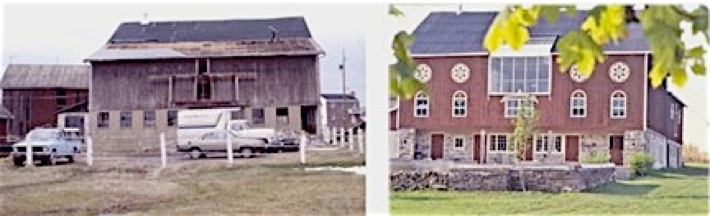
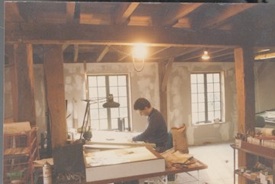
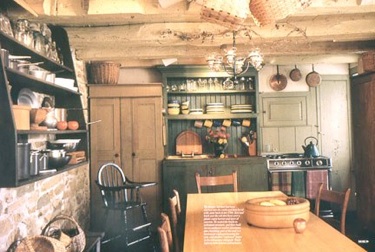
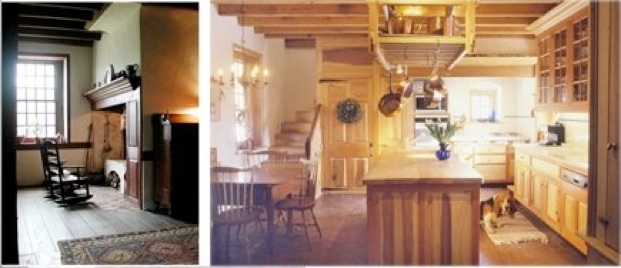
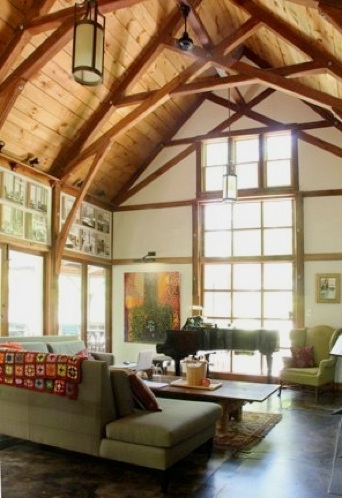
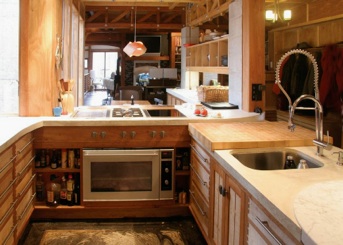
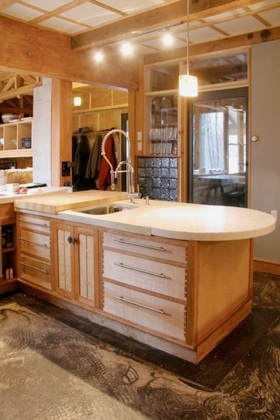
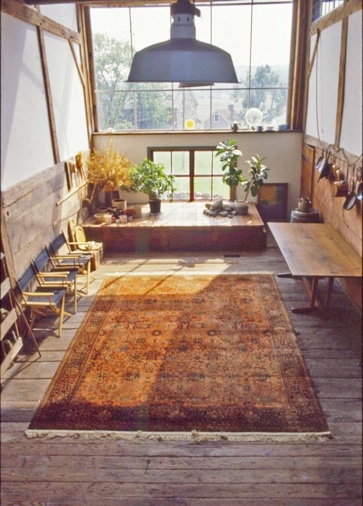
There were 13 of us, Ken was the Design Director, and our headquarters was in Clinton NJ. The design studio was in Bucks County PA, in a whupped old barn we renovated into a workspace.
This became our meeting place, studio, and laboratory for design ideas. It was our way of
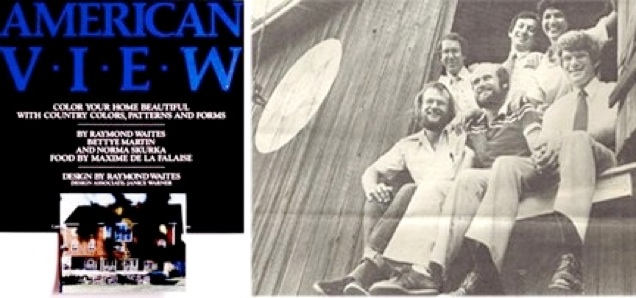
always thinking of the next largest thing. It wound up on the cover of an influential book of the era written by Raymond Waites. It was a very interesting and colorful place.
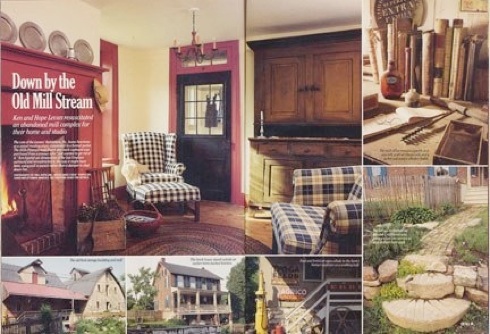
Country Living Magazine did a big spread on it in around 1984. Bo Niles was the Editor at that time, and the article helped publicize
what we were trying to do at Corning Designs. We had visitors from many places, including Finland and England. At Corning Designs we produced a lot of innovative products, new ideas in packaging and graphics. We wanted to be “high touch” as much as we could.
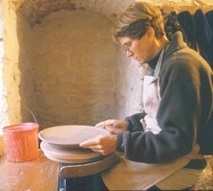
Because we were a Corning subsidiary, we had access to new technology and some great resources. We decided that we would not be limited to glass, but could explore any material, encompassing the whole cooking and dining universe, so we began working on ceramics, wood, textiles- anything we wanted to do. Our first product was called “Brimstone” and was made from a ceramic material developed by Alfred University that could withstand direct flame. We did it in tan and black in a series of friendly shapes. Because of the fact that you could put it in a broiler, we developed fireproof placemats and underliners for it. You could cook your steak in the oven and bring it to the table.
Unfortunately, the material had to be fir
ed at cone 11 which no American ceramic manufacturer wanted to do. In an attempt to find someone to manufacture it, we talked with Arabia pottery in Finland, which had a product called “Kokki”, and Hornsea in England, which had a black clay body. Arabia eventually bought the molds. Our goal was to make every product from whatever the best material for that particular product was.
We developed a concept in a
round 1982 called “dining on location”, which had to do with the fact that people don’t just eat in the dining room. Using what Sara Little called a “permanent placemat”, we made a product called the “Table for One” which could be used for anything from a placemat to a bed table, to a writing desk. We still use them today. After Corning Designs was taken over by Crown Corning, we designed a very popular casual dinnerware line for Crown Corning called Prego.
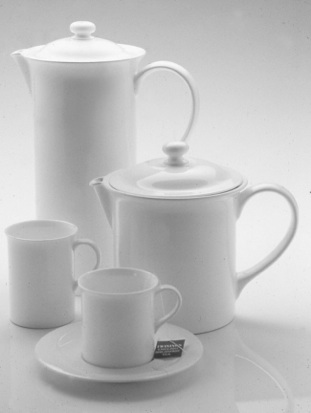
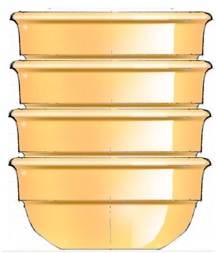
We also designed a dinnerware line called Occasions, which was manufactured by Sango in Japan. It was a high alumina ceramic material with a 24% shrinkage rate during firing, but it was extremely strong and could go in the oven. We took advantage of the strength by making the shapes be very elegant and delicate, and the oven-proof characteristic allowed all the serving vessels to go directly from oven to table.
Form Follows Function The Bauhaus credo that form follows function needs to be qualified. Designers have to understand how something works before they design it, but function alone does not make a good product (neither does fashion or fantasy). Ralph Caplan said “Engineers make things work - Designers make them workable”. A product has to earn its place in your home and it won’t last if its “function” is merely fashion or a failure. One should enjoy the freedom of caring for only a few things that we love and really use. We would feel really bad if someone threw something we had designed into the trash because it was no good. Someone recently asked Hope if her paintings were “archival”. She said that they are archival if someone loves them enough to take care of them - caring and using. We either have limited space or we're decluttering - we enjoy the freedom of caring for only a few things that we love and really use.
Packaging & graphic design Shortly after the Corning Design era, there was a long period in the tabletop industry where few companies were developing new products in the sense of an actually new product. In the case of dinnerware, there were “shape designers” and “decoration designers”. We were “shape designers”, and companies could take the same “shape” and redecorate it again and again, so we had to branch out beyond product design because we had kids to put through school. Manufacturers usually had “in-house” staffs who did ”shape design” according to the preferences of the factory and we would often rock the boat by suggesting something “outside that box”. One of our clients, Wilton Armetale, told us in great honesty, that they didn’t need new design ideas, but they needed new packaging to sell the products they already had.
Fortunately for us, we knew how to design packages, knew all about photography, graphic design, styling, could write copy and communicate, so we shifted into that new world of graphic design and packaging.
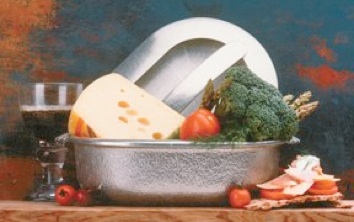
We designed a series of packages for Wilton Armetale that won every packaging award imaginable, including the “President’s Award”. I remember hell-bent-for-leather drives into NYC to get big C-prints we needed for mock-ups, Hand made mechanicals, last minute trips to FEDEX at the Pliladelphia airport.
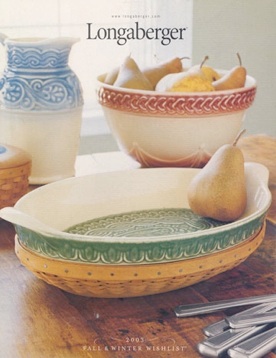
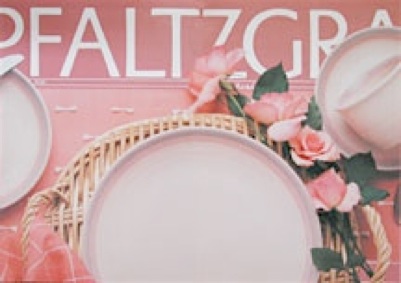
We then designed a series of “suitcase” packages for Pfaltzgraff which created a ”billboard” in stores, changing the way these products were displayed. In a McLuhanesque way, the packaging became the product in terms of marketing. We did a lot of Pfaltzgraff packaging.
This was a “golden era” of full color wrap-around packaging design. It took a lot of skill to produce; large format film photography, Cibachromes and C-prints, mechanicals by hand, buying type from typographers, rubylith, Kodalith, wax machines, transfer type and X-acto knives. Graphic design was still an art. We had the very first computers, and the Apple 2e had a 28k harddrive, if you can imagine that. We have had Macs, Illustrator, and Photoshop ever since they existed. The tools change but it’s still an art if you challenge yourself to think of it that way.